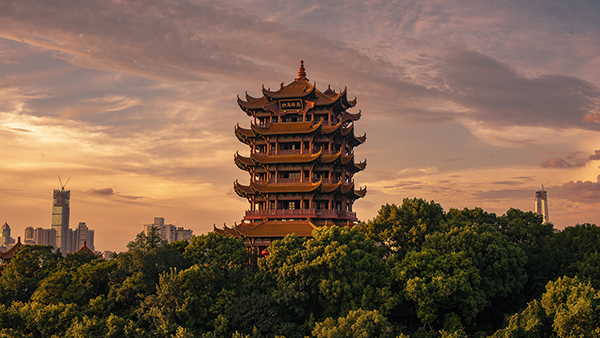
Yellow Crane Tower
Standing majestically atop Snake Hill by the Yangtze River, the Yellow Crane Tower is the iconic symbol of Wuhan and one of China's "Four Great Towers." Its history spans over 1,800 years, originally built for military observation in the Three Kingdoms period (223 AD). The tower's fame comes from its profound cultural legacy. Countless poets, most notably Cui Hao and Li Bai from the Tang Dynasty, immortalized it in verse, associating it with the legend of an immortal riding a yellow crane. These works cemented its status as a literary landmark. Destroyed and rebuilt multiple times, the current structure dates from 1985. This five-story, 51.4-meter tower recreates the architectural splendor of the Qing Dynasty style, with upturned eaves resembling flying crane wings. Each floor offers panoramic views of the Yangtze and the city. More than just a building, it represents Wuhan's historical continuity—a timeless bridge connecting ancient myth, classical poetry, and the modern metropolis. It is a must-visit destination for understanding the city's soul.
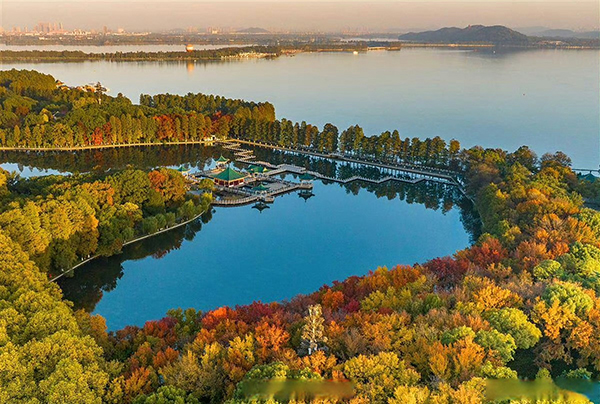
Wuhan East Lake Ecological Tourism Scenic Area
Wuhan East Lake Ecological Tourism Scenic Area, often referred to simply as East Lake, is one of the premier urban green spaces in China. Located in the eastern part of Wuchang District, Wuhan, it holds the title of China's largest urban lake, with a total scenic area of 88 square kilometers, of which water covers 33 square kilometers. This National 5A-level tourist attraction is celebrated for its stunning lake-and-mountain vistas, extensive floral displays, and rich cultural heritage.The scenic area is divided into several distinctive zones, including Tingtao (Listen to Waves), Moshan (Mill Hill), Luoyan (Fallen Wild Goose), and Chuidi (Piping). Visitors can explore attractions like the world-class Moshan Cherry Blossom Garden, China's largest plum garden, and historic sites commemorating the patriotic poet Qu Yuan. Encircled by 34 hills and linked by a 101.98-kilometer greenway, the area is a year-round destination for tourism, leisure, and appreciating nature in the heart of the city.
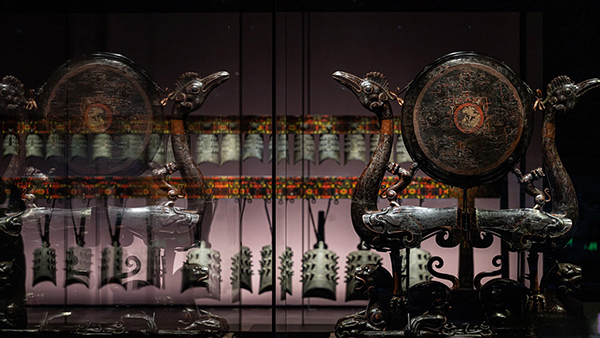
Hubei Provincial Museum
The Hubei Provincial Museum is one of China's eight national-level museums jointly built by central and local governments. Located by Wuhan's picturesque East Lake, it is a National AAAAA Tourist Attraction with a vast collection of over 240,000 cultural relics. The museum is renowned for its extraordinarily rich artifacts from the ancient Chu State and the Zeng Marquis region. Its world-famous "Four Treasures" are the iconic Zeng Houyi Chime Bells, the Sword of Goujian (King of Yue), the Yunxian Man Skull Fossil, and the Yuan Blue-and-White Vase with Four Scenes of Love. It also houses China's largest exhibition of ancient musical instruments. The architecture, featuring integrated main halls, embodies the grand high-platform style of ancient Chu. It serves as a premier window into the profound and splendid civilization of the middle reaches of the Yangtze River.